Optimal Seasons for Concrete Leveling
Concrete levelings are most effectively performed during specific seasons and weather conditions to ensure optimal results. Proper timing can prevent issues such as cracking, uneven settling, or inadequate curing. Understanding the ideal time frames helps in planning and achieving long-lasting, stable surfaces.
Spring offers moderate temperatures and increased moisture, ideal for concrete leveling projects. It allows the concrete to cure properly without the risks associated with extreme cold or heat.
Summer provides warm weather with consistent temperatures, promoting proper curing. However, excessive heat can cause rapid drying, so timing within summer is crucial.
Fall is suitable due to cooler temperatures and lower humidity levels, reducing the risk of premature drying or cracking during curing.
Winter temperatures are generally too cold for effective concrete leveling. Freezing conditions can hinder curing and lead to surface damage or failure.
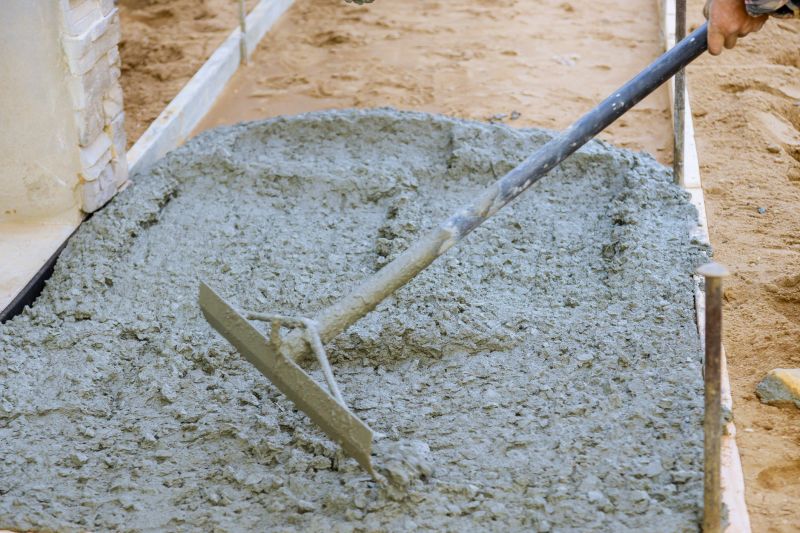
Ways to make Concrete Levelings work in tight or awkward layouts.
Popular materials for Concrete Levelings and why they hold up over time.
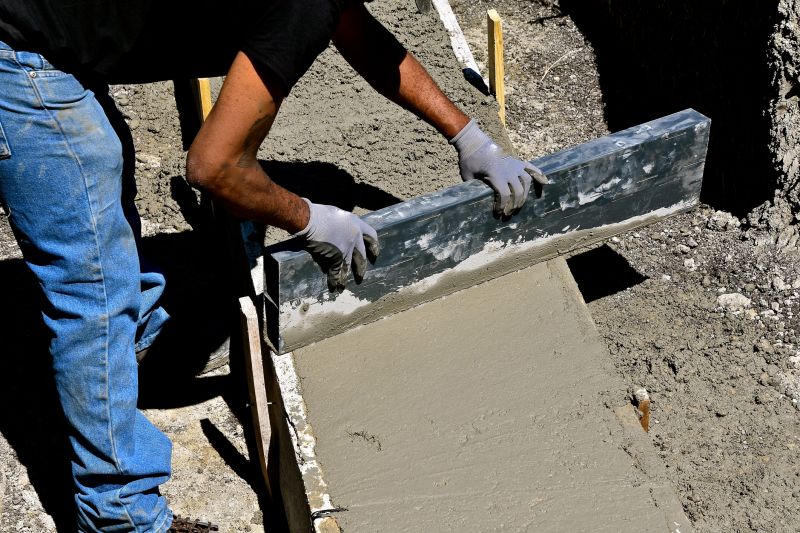
Simple add-ons that improve Concrete Levelings without blowing the budget.
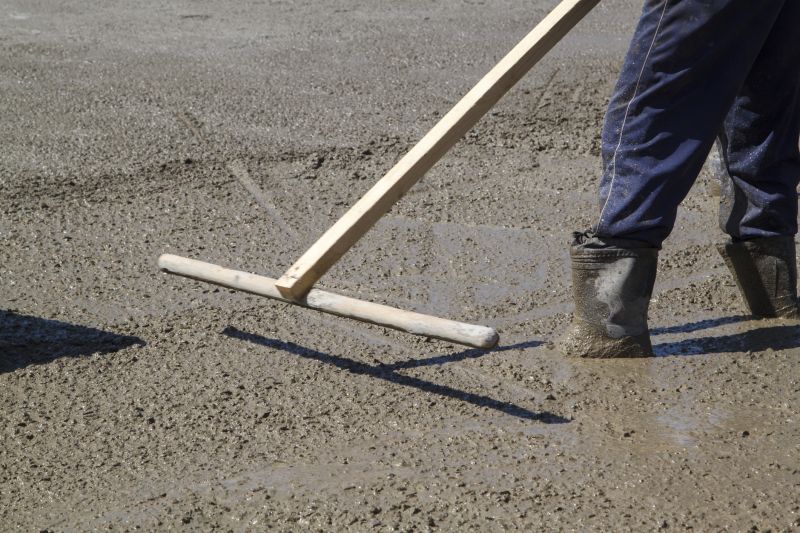
High-end options that actually feel worth it for Concrete Levelings.
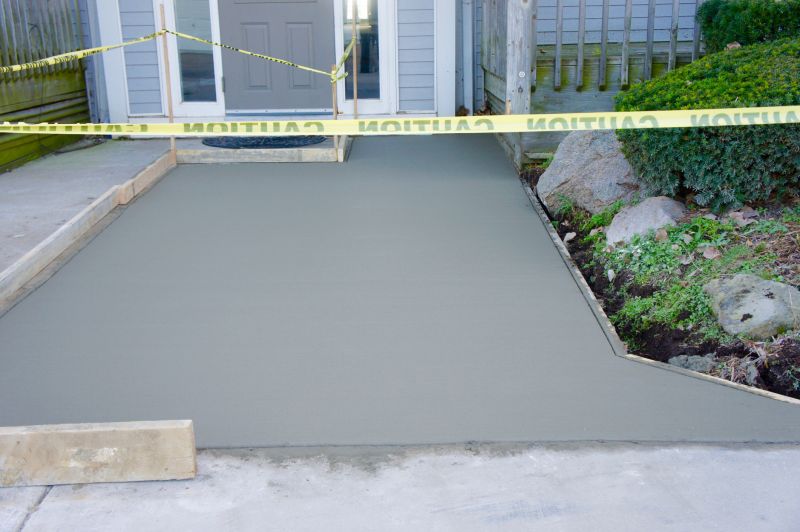
Finishes and colors that play nicely with Concrete Levelings.
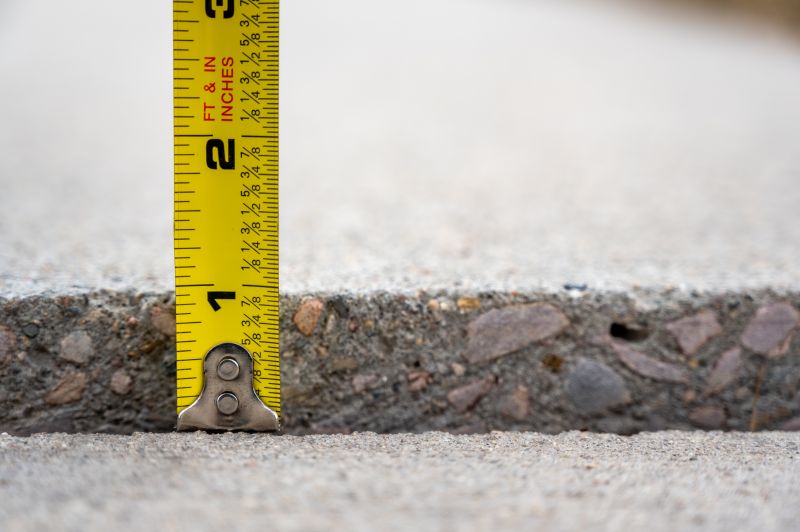
Little measurements that prevent headaches on Concrete Levelings day.
| Season | Optimal Conditions |
|---|---|
| Spring | Moderate temperatures, increased moisture, ideal for curing. |
| Summer | Warm weather, consistent temperatures, watch for excessive heat. |
| Fall | Cooler temperatures, lower humidity, ideal for curing. |
| Winter | Cold and freezing conditions, unsuitable for concrete leveling. |
Concrete levelings involve raising and leveling uneven or sunken concrete surfaces, such as driveways, sidewalks, and patios. This process typically uses a slurry or foam to fill voids and restore surface height. Proper timing ensures the material adheres well and cures evenly, resulting in a durable and smooth surface. The success of concrete leveling depends heavily on weather conditions, as temperature fluctuations and moisture levels can impact the curing process and the longevity of the repair.
Statistics indicate that performing concrete levelings during optimal seasons can extend the lifespan of the repair by preventing common issues like cracking, shifting, or sinking. Proper timing reduces the need for future repairs and ensures the surface maintains its integrity over time.
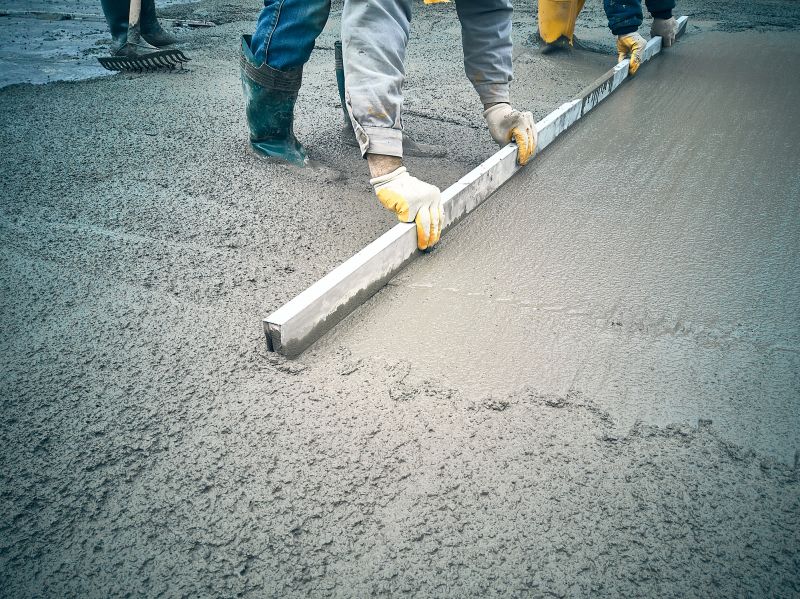
A 60-second routine that keeps Concrete Levelings looking new.

A frequent mistake in Concrete Levelings and how to dodge it.

Small tweaks to make Concrete Levelings safer and easier to use.

Lower-waste or water-saving choices for Concrete Levelings.
Interested in scheduling concrete levelings at the optimal time? Filling out the contact form provides more information and assistance tailored to specific project needs. Proper timing and professional execution can ensure the durability and appearance of the concrete surface for years to come.